Group Business Ideas
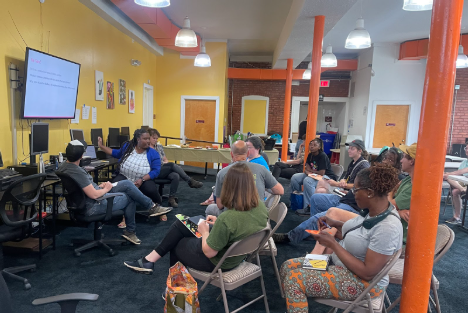
Group Business Ideas: Scalable, Community-Owned Models That Build Long-Term Wealth
Meta Description:
Discover powerful group business ideas designed for collective ownership. Learn scalable, community-focused business models that build sustainable wealth.
Introduction
Group business models are becoming one of the smartest wealth-building strategies in today’s economy. Instead of building alone, entrepreneurs are pooling capital, skills, and networks to create collective enterprises that scale faster and reduce risk.
When structured correctly, group businesses can:
Lower startup barriers
Spread financial risk
Increase access to opportunities
Build generational community wealth
Below are practical, scalable group business ideas designed for long-term sustainability.
1. Community Real Estate Investment Group
A structured group pools funds monthly to acquire:
Rental properties
Short-term rentals
Commercial real estate
Land for development
Why It Works
Real estate generates cash flow and appreciates over time. Collective buying power allows members to enter markets they couldn’t access individually.
Scalability Strategy
Acquire → Refinance → Reinvest → Expand portfolio.
2. Cooperative Agriculture & Food Production
Food-based group ventures remain highly resilient.
Examples include:
Poultry farming
Fish farming
Organic vegetable production
Packaged food processing
Why It Works
Food demand is constant. Local production reduces dependency on imports and improves margins.
3. Digital Service Collective
Skilled professionals can form a shared digital agency offering:
Website design
Funnel building
Automation systems
Social media marketing
Branding & content
Instead of competing individually, members operate under one brand and share profits.
Advantage
Low startup cost + global client reach + scalable systems.
4. Community-Owned Retail Store
A group can co-own:
Grocery stores
Hardware stores
Pharmacies
Fashion outlets
Members benefit from both profit distribution and community loyalty.
5. Shared Equipment Rental Business
The group invests in income-generating assets such as:
Construction equipment
Event rentals (chairs, tents, décor)
Production gear
Agricultural machinery
Assets generate recurring income without requiring equal labor from all members daily.
6. Transportation Cooperative
Examples include:
Ride-hailing fleets
Delivery & logistics companies
Trucking cooperatives
Shuttle services
Drivers and operators retain ownership rather than working for large corporations.
7. Structured Investment & Savings Group
A formalized savings group that:
Pools monthly contributions
Invests in stocks, real estate, or businesses
Funds member ventures
With proper governance, this can evolve into a fully registered cooperative.
8. Renewable Energy Collective
A future-focused group business idea:
Solar installation company
Community solar farm
Generator rental service
Energy demand continues to rise globally, making this a long-term opportunity sector.
Key Success Factors for Group Businesses
1. Written Agreements
Define ownership percentages, voting rights, profit distribution, and exit clauses.
2. Governance Structure
Clear leadership roles prevent conflict.
3. Financial Transparency
Open books build trust.
4. Long-Term Mindset
Short-term thinking destroys collective systems.
Common Mistakes to Avoid
No formal documentation
Unequal effort without compensation structure
Poor communication
Emotional decision-making
Undefined conflict resolution process
Structure protects both money and relationships.
Why Group Business Models Are Growing
Economic pressure, limited capital access, and rising living costs are pushing people toward collaboration.
Collective ownership:
Reduces individual financial exposure
Increases leverage
Builds shared wealth
Strengthens communities
In many cases, structured collectives outperform solo ventures because pooled resources compound faster.
Conclusion
Group businesses are not quick-profit schemes. They are long-term wealth strategies built on trust, structure, and strategic collaboration.
Start small.
Formalize structure early.
Reinvest consistently.
Think long term.
Over time, the right collective model can become a powerful economic engine.